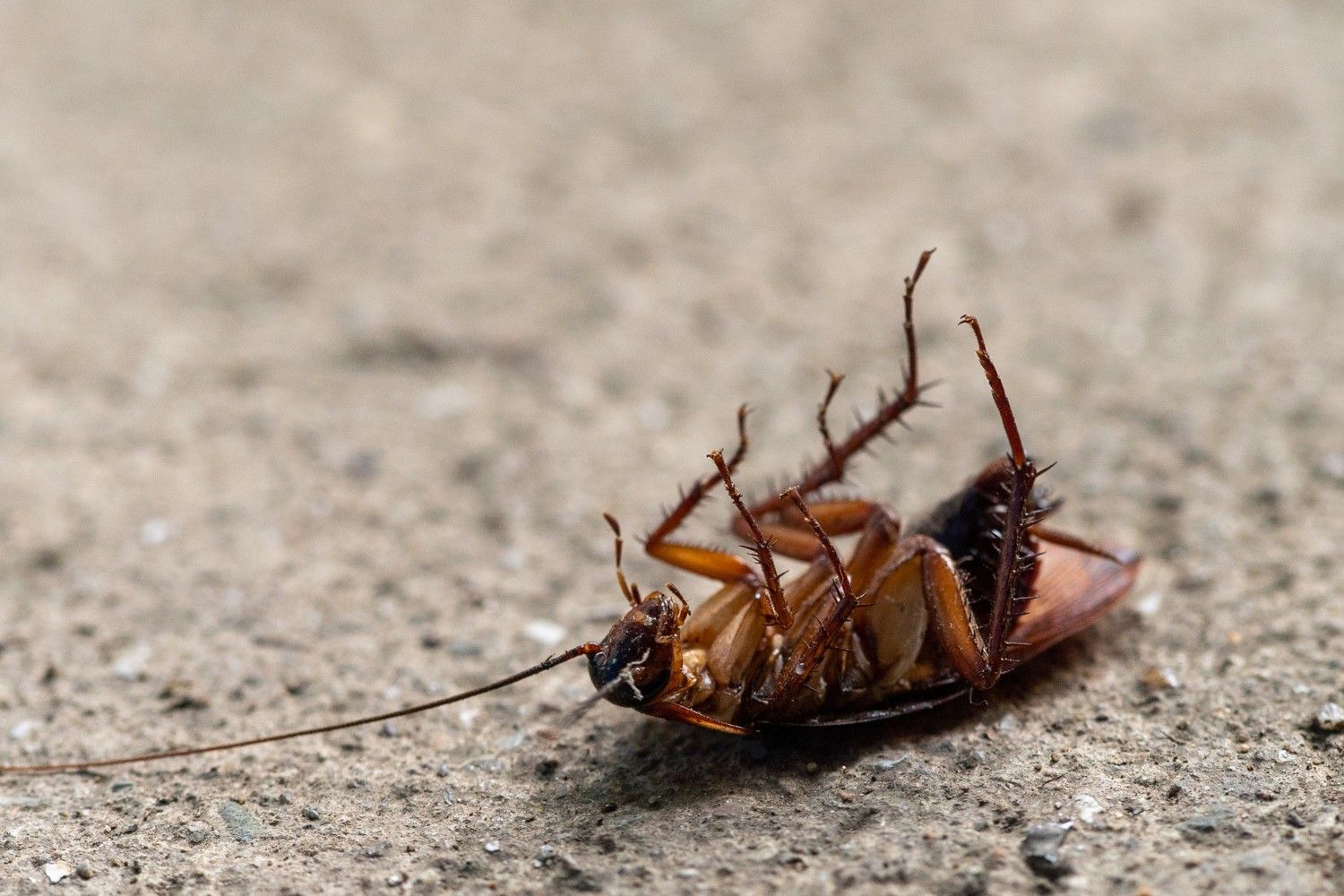
Pest control is not just about removing visible pests. Long-term protection requires identifying the cause of the infestation and preventing pests from returning.
A simple but effective approach used in modern pest management is known as the 3 C’s of Pest Control:
Together, these three steps help create a cleaner, safer, and more protected environment for homeowners and businesses.
Pests are often attracted to food sources, clutter, moisture, and hidden nesting areas.
Cleaning involves more than standard household maintenance. In pest management, sanitation focuses on removing the conditions that allow infestations to grow and spread.
For rodent infestations, attic cleanouts are especially important because droppings, urine, and damaged insulation may continue attracting pests over time.
The second step focuses on preventing pests from entering the property.
Rodents and insects can enter through surprisingly small openings around:
Closing these access points helps reduce future infestations and improves the effectiveness of pest treatments.
Proper exclusion is one of the most effective ways to stop recurring pest problems.
Once sanitation and exclusion are addressed, the next step is controlling the active pest population.
Different infestations require different treatment methods depending on the severity of the problem and the type of pest involved.
and removalThe goal is not only to reduce current pest activity but also to interrupt breeding cycles and prevent reinfestation.
DIY products may provide temporary relief, but many infestations continue because the root cause remains untreated.
Professional pest control specialists help by:
This comprehensive approach helps homeowners avoid repeated infestations, property damage, and unnecessary repair costs.
1. What are the 3 C’s of pest control?
The 3 C’s stand for Cleaning, Closing, and Controlling , a strategy focused on prevention and long-term pest management.
2. Why is cleaning important in pest control?
Cleaning removes food sources, contamination, moisture, and nesting materials that attract pests.
3. What does “Closing” mean in pest control?
Closing refers to sealing cracks, gaps, and openings that pests use to enter a property.
4. How does attic cleaning help with rodent problems?
Attic cleaning removes contaminated insulation, droppings, and nesting materials that may attract additional rodents.
5. Why is professional pest control more effective than DIY?
Professional pest control addresses the source of the infestation and uses targeted solutions designed for long-term prevention.
Follow our social media
.png)
.png)
.png)
.png)
.png)
.png)



.png)