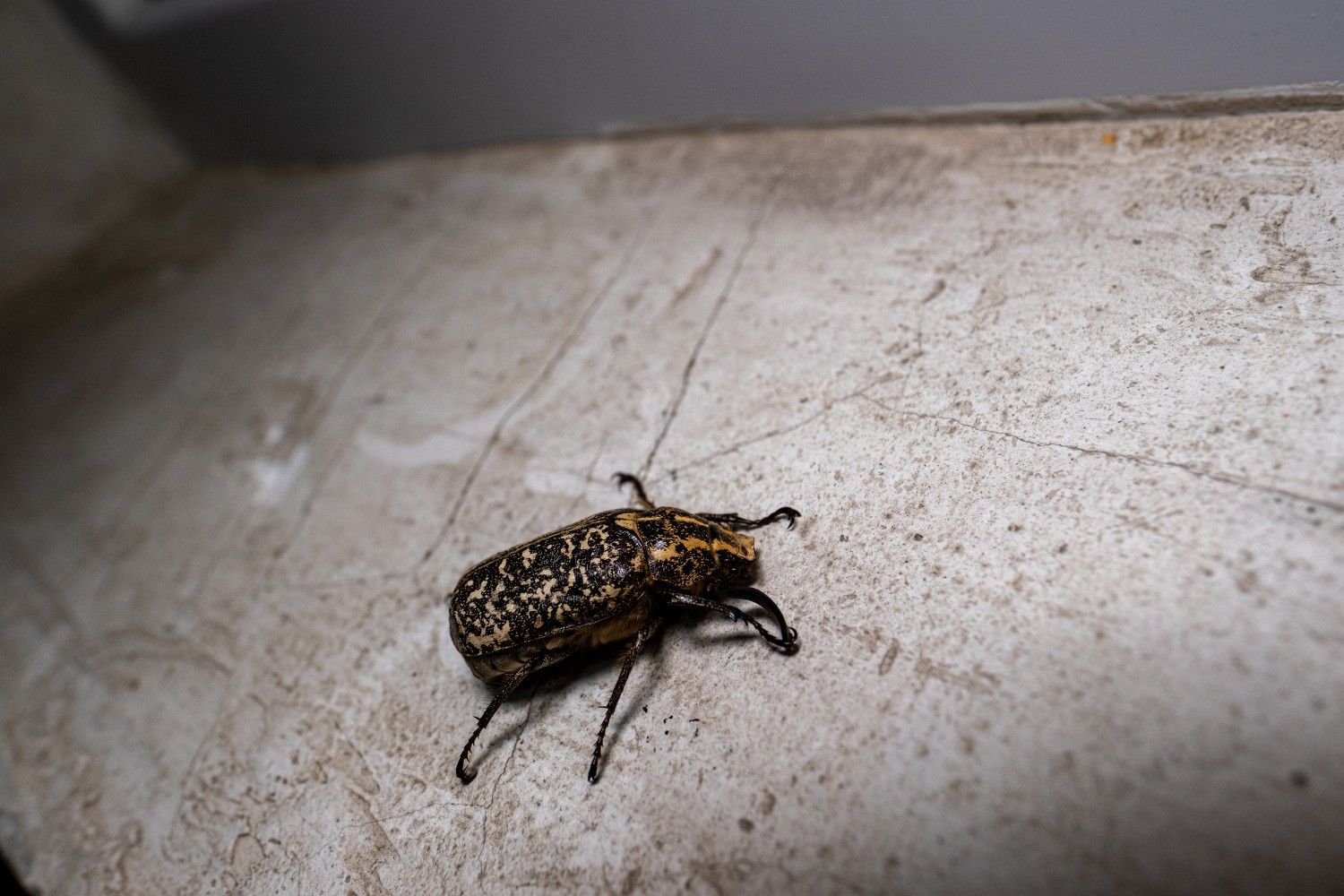
Some pest problems disappear quickly, while others become long-term battles for homeowners. Certain pests are extremely difficult to eliminate because they reproduce rapidly, hide in hard-to-reach areas, or repeatedly return after incomplete treatment.
Understanding why these pests are so persistent can help homeowners take faster and more effective action.
Bed bugs are widely considered one of the hardest pests to eliminate.
These tiny insects hide inside mattresses, furniture, wall cracks, and upholstery during the day, making them difficult to detect early. They also spread easily through luggage, clothing, and used furniture.
Why bed bugs are difficult to remove:
In severe cases, fumigation or advanced treatment methods may be necessary to fully eliminate the infestation.
Rats and mice are highly adaptable pests that quickly learn how to avoid traps and bait stations.
Once rodents establish nesting areas inside attics or walls, they continue contaminating insulation and creating hidden pathways throughout the property.
Rodent infestations often become difficult because:
Long-term rodent control usually requires both removal and complete exclusion work.
Bird infestations can become extremely difficult once pigeons repeatedly return to the same nesting areas.
Birds commonly settle around:
Without proper deterrent systems, pigeons may continue nesting and damaging the property with droppings and debris buildup.
Effective bird control often includes:
One of the biggest reasons pest problems return is that contaminated attic areas are never fully cleaned.
Rodent droppings, urine, damaged insulation, and nesting materials can continue attracting pests long after treatment. In some cases, odors and contamination may also affect indoor air quality.
Attic restoration services help by:
Proper cleanup helps break the cycle of recurring infestations.
Many homeowners first attempt to solve infestations using store-bought products. While these solutions may temporarily reduce pest activity, they often fail to address the source of the problem.
Common DIY limitations include:
Professional pest management focuses on both elimination and long-term prevention.
1. What is the hardest pest to eliminate?
Bed bugs are often considered one of the hardest pests because they hide well and reproduce quickly.
2. Why do rodents keep coming back?
Rodents usually return when entry points remain open or contaminated nesting areas are left untreated.
3. Is fumigation always necessary for bed bugs?
Not always, but severe infestations may require specialized treatments or fumigation for complete elimination.
4. Why is attic cleanup important after rodents?
Removing contaminated insulation and waste helps improve sanitation and discourages future infestations.
5. Do bird deterrents actually work?
Yes. Properly installed deterrent systems like netting and spikes can significantly reduce nesting activity.
Follow our social media
.png)
.png)
.png)
.png)
.png)
.png)




.png)