When homeowners think about property damage, they usually think about storms or plumbing issues. However, some of the most expensive damage actually comes from pests hiding inside walls, attics, and roofs.
Certain pests can damage wiring, insulation, roofing materials, furniture, and indoor air quality if left untreated. Understanding the warning signs early can help prevent costly repairs and long-term infestations.
Here are some of the most damaging pests homeowners should never ignore.
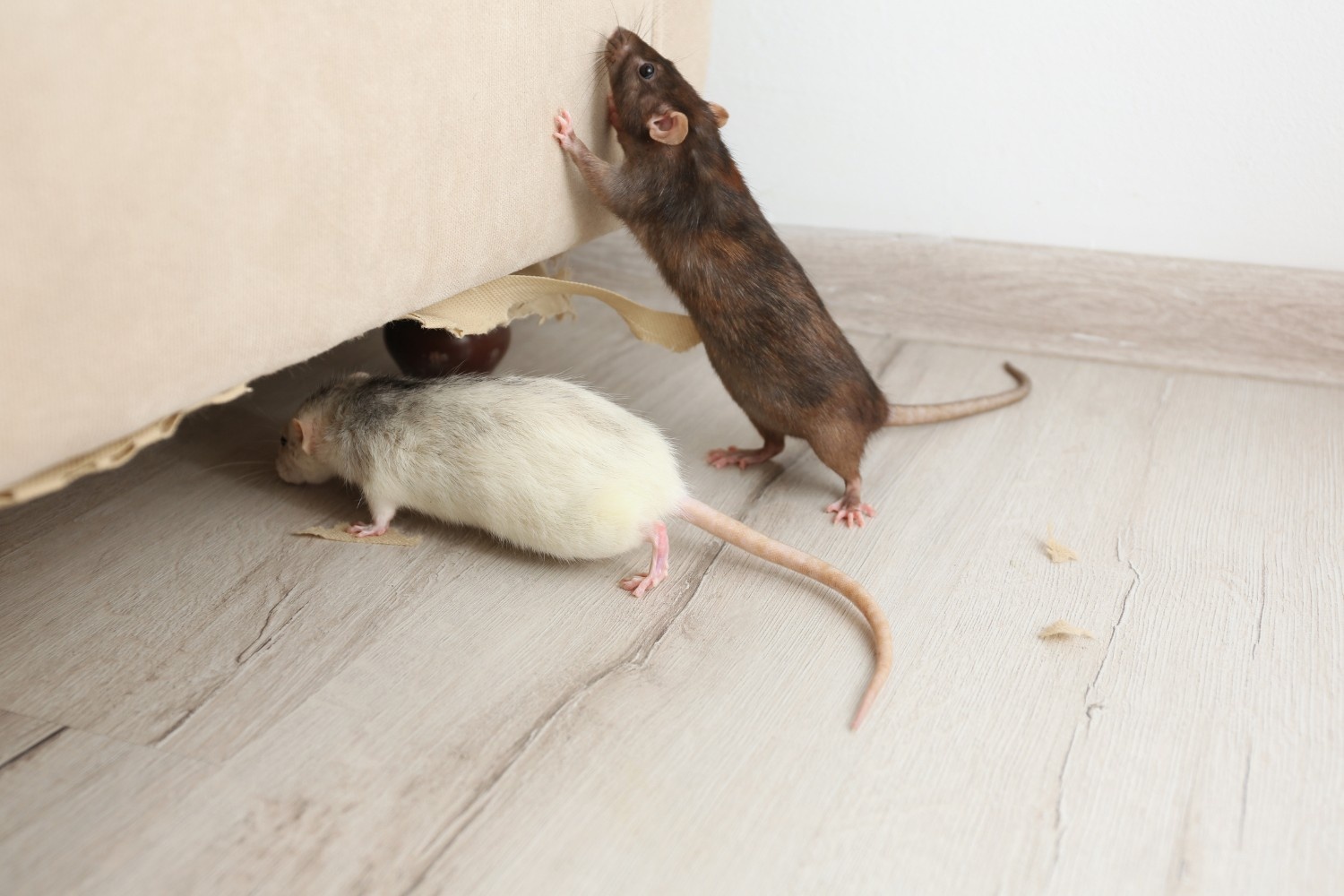
Rats and mice are among the most destructive household pests. Their constant chewing can damage electrical wiring, wood, insulation, and stored belongings.
Rodents commonly settle inside attics and wall cavities where they create nests and leave behind droppings and urine. Over time, this contamination can affect indoor air quality and create unpleasant odors throughout the home.
Common warning signs include:
Early rodent control is important to avoid structural damage and larger infestations.
Pigeons and nuisance birds often appear harmless, but they can cause major problems for residential and commercial properties.
Bird droppings are highly acidic and may damage roofing materials, paint, gutters, and exterior surfaces over time. Nesting materials can also clog drainage systems and block ventilation areas.
If nesting activity continues unchecked, moisture buildup may eventually lead to mold growth and roof deterioration.
Common bird infestation issues include:
Installing proper bird deterrent systems early can help prevent expensive repairs later.
Bed bugs do not damage a home structurally, but they can become one of the most stressful and expensive pest problems for homeowners.
These pests spread quickly through furniture, mattresses, luggage, and clothing. Because they hide deep inside cracks and upholstery, DIY sprays often fail to eliminate the infestation.
Severe infestations may require:
Quick action is essential to prevent bed bugs from spreading further throughout the property.
After rodents are removed, the cleanup process is just as important as the treatment itself.
Contaminated insulation, nesting debris, droppings, and urine can remain inside the attic long after the infestation ends. These materials may continue attracting pests while also affecting the cleanliness and air quality of the home.
A complete attic cleanout typically includes:
This step helps restore the attic environment and reduces the chance of reinfestation.
Homeowners can reduce pest risks by following a few preventative steps:
Preventive maintenance is often far less expensive than repairing pest-related damage later.
1. What pest causes the most damage inside homes?
Rodents are one of the most damaging pests because they chew wiring, insulation, and structural materials while contaminating attic spaces.
2. Why are pigeons considered harmful to buildings?
Their droppings are acidic and can damage roofs, gutters, paint, and ventilation systems over time.
3. Can rodents create fire hazards?
Yes. Rodents may chew electrical wires, which can increase the risk of electrical shorts and fires.
4. Is attic cleaning necessary after rodent removal?
Yes. Cleaning contaminated insulation and waste helps improve air quality and reduces the risk of future infestations.
5. Why are bed bugs difficult to remove?
Bed bugs hide in tiny spaces and reproduce quickly, making professional treatment more effective than standard DIY methods.
Follow our social media
.png)
.png)
.png)
.png)
.png)
.png)



.png)